
Swiss carbon watches
21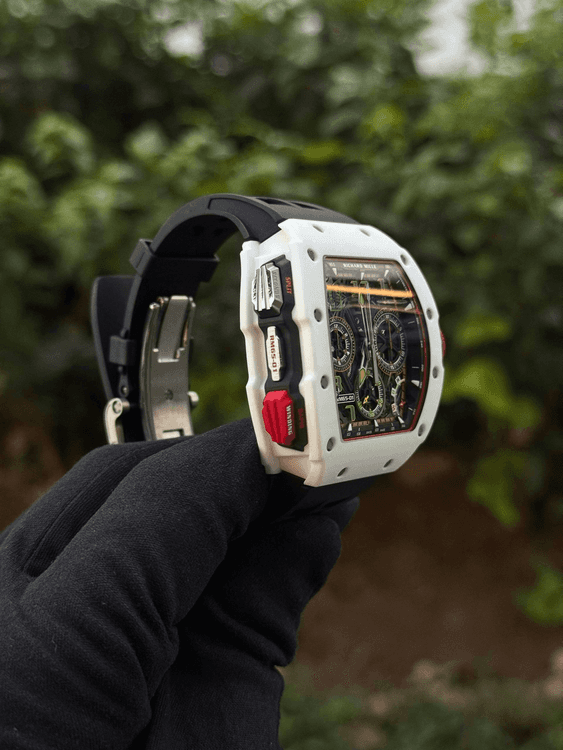
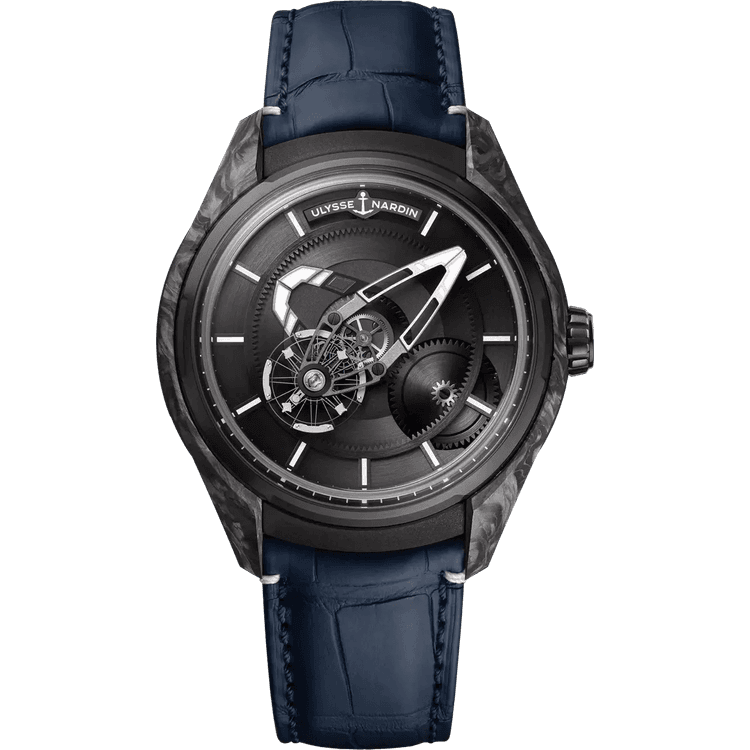
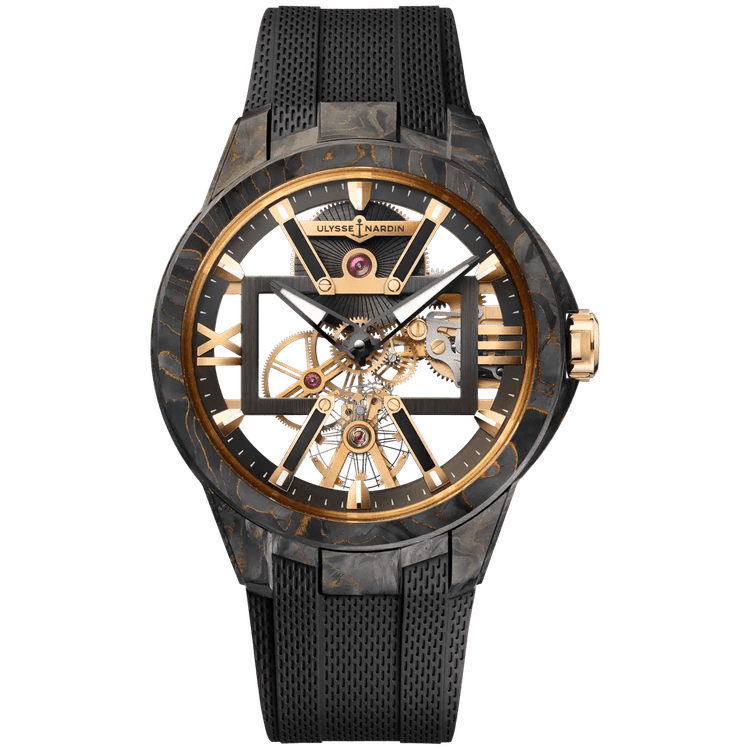
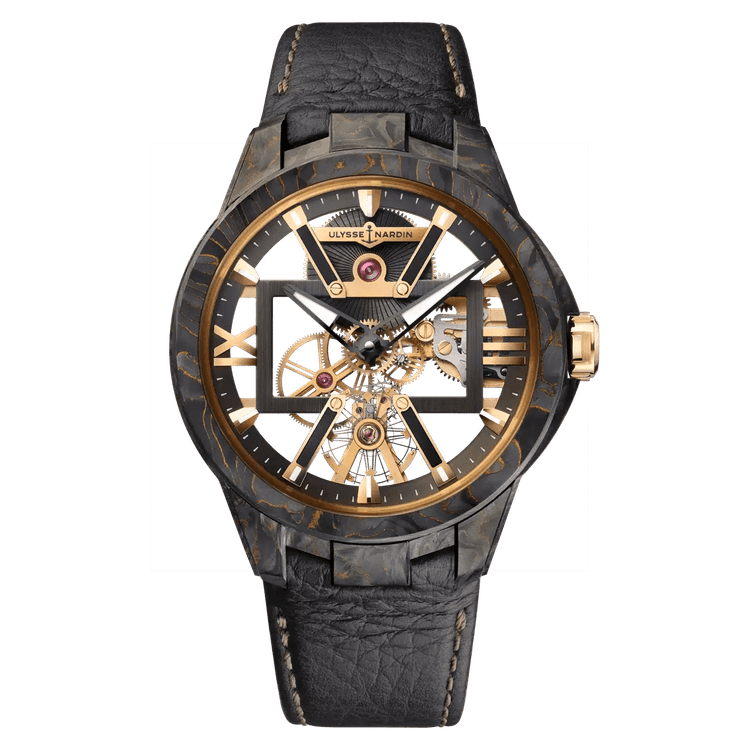
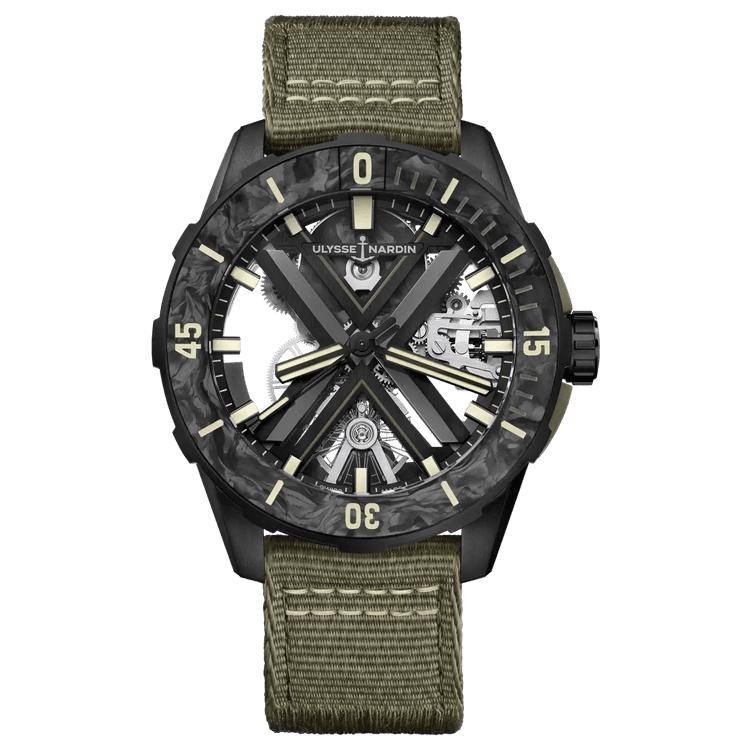
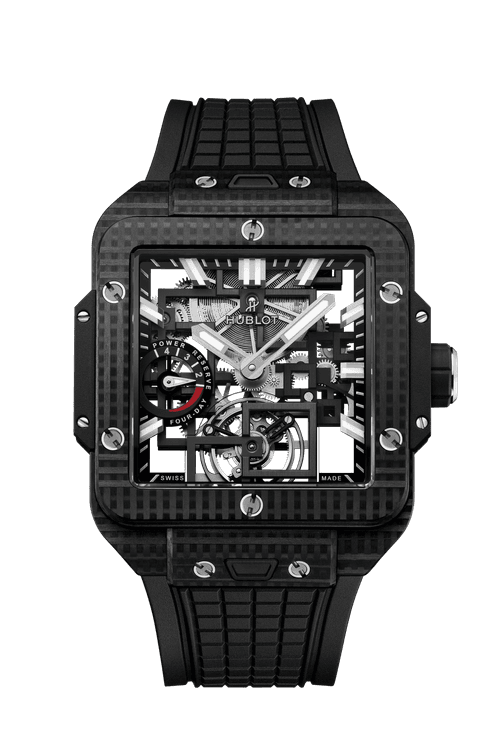
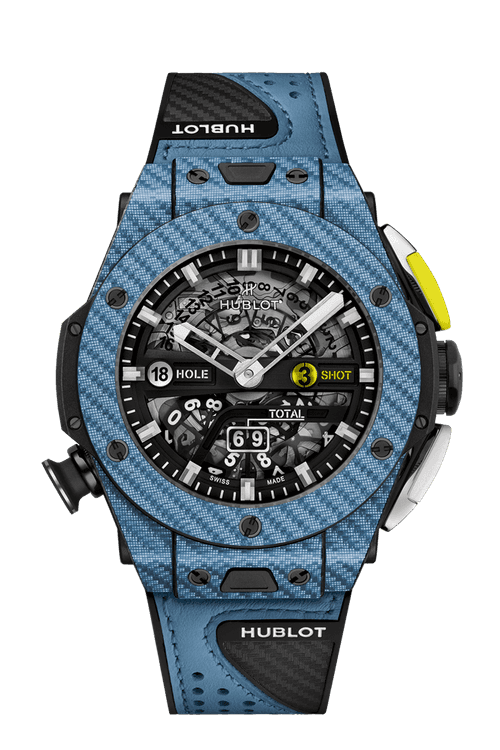
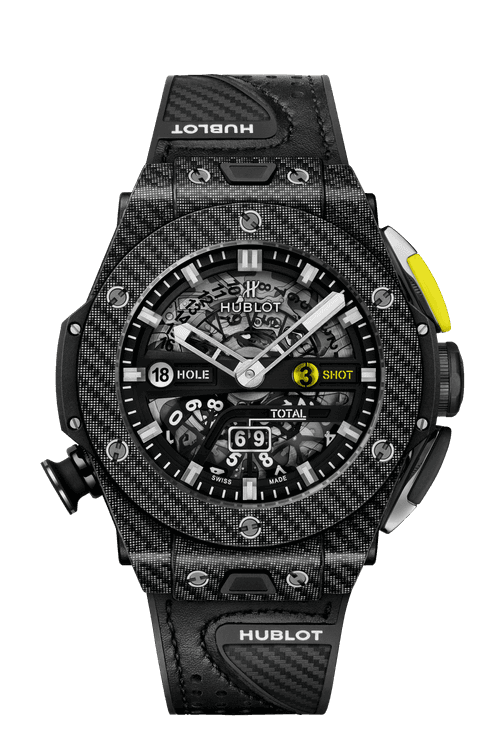
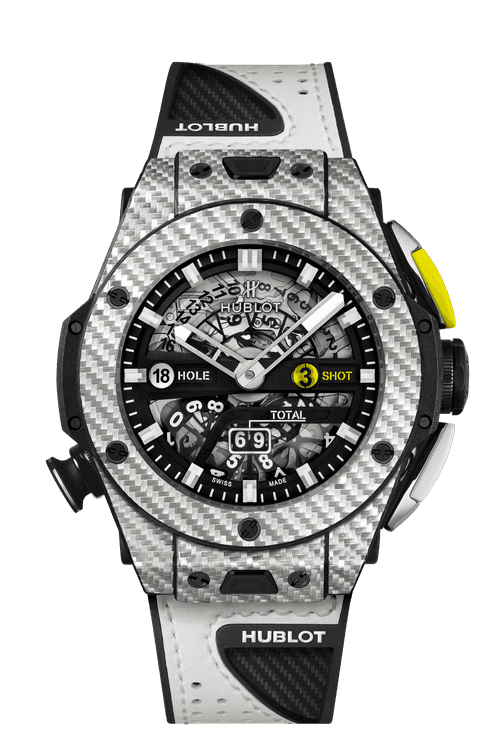
Carbon Watches – Swiss Engineering and Unique Style
In the world of Swiss watches, there are certain materials that immediately attract the attention of collectors and lovers of technical aesthetics. Carbon is one of them. At first glance, it's simply a dark, almost graphite-like case, but behind it lies an entire engineering philosophy: lightness, strength, and technology that until recently seemed like science fiction.
A question often asked: "Why do manufacturers like Richard Mille and Ulysse Nardin use carbon so extensively?" The answer lies beyond aesthetics. The material allows for the creation of cases that are incredibly light and resistant to mechanical stress, while offering designers enormous freedom of form. For collectors, these aren't just "watches"; they're small engineering masterpieces on the wrist.
If you're new to carbon watches, prepare to be surprised: wearing a carbon watch feels completely different than wearing a steel or titanium one. Experienced users will appreciate how this material affects the precision of the movement and the durability of the watch. We'll tell you everything you need to know about Swiss carbon watches—from the characteristics of the material to practical tips for care and collecting.
What is carbon and why is it used in Swiss watches
Carbon isn't just a "black material" for watch cases. Technically, it's a composite made of numerous thin carbon fibers pressed and bonded with a special resin. This approach creates a material with unique properties: it's lightweight yet extremely strong, almost like steel, only several times lighter. This is why it's so prized in aviation, motorsports, and... Swiss watches.
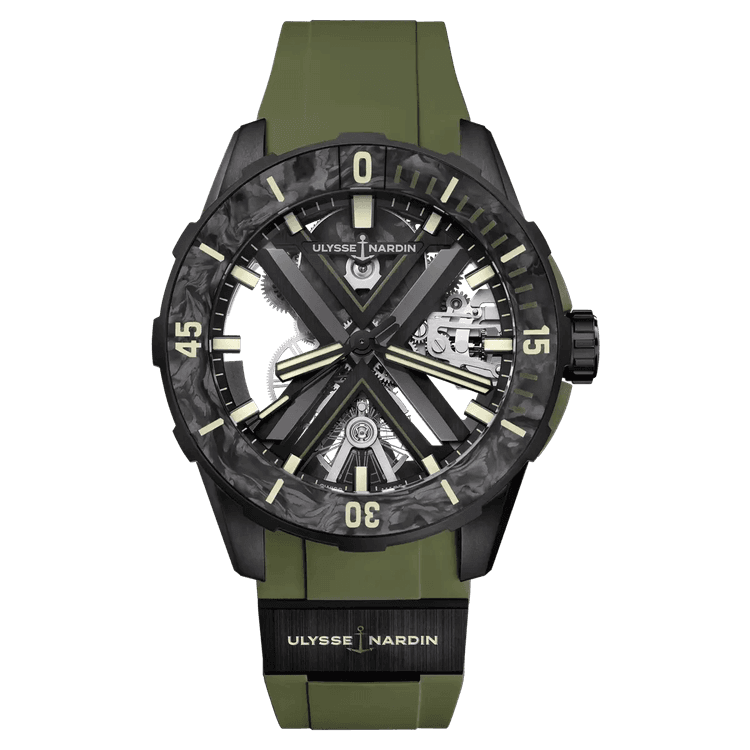
It's interesting to note that at first glance, all carbon cases appear identical—black, with a matte texture. In fact, each manufacturer achieves its own "structure": Richard Mille, for example, uses Carbon TPT technology, which creates visible layers of the material, like the growth rings of a tree. Ulysse Nardin uses Forged Carbon, where the fibers are interwoven more randomly, creating a unique pattern each time. Therefore, even the same model is never exactly the same—a subtle "artist's touch" on the wrist.
Why is carbon becoming a choice for watches, and not just supercars or sports equipment? Firstly, it's lightweight. Mechanical Swiss watches can be heavy, especially those with complex complications. Carbon relieves this strain on the wrist, allowing you to wear the watch all day without discomfort. Secondly, it's scratch and impact resistant. The material absorbs energy better than most metals, meaning the risk of damaging the case during everyday wear is reduced.
There's also a pitfall that beginners often forget: carbon doesn't protect against moisture or chemicals better than steel or titanium. The resin that binds the fibers can react to strong chemicals, and the case requires careful care. But for careful everyday wear and collection storage, this is more of a nuance than a problem.
Carbon is a material that combines engineering precision, lightness, and aesthetics. It offers designers freedom of form and a unique look, while owners enjoy comfort and a sense of technology. For those who choose a watch "not just as an accessory," carbon is a true revelation.
Differences between Carbon and Other Materials: Steel, Titanium, and Ceramic
When it comes to watch cases, carbon is often compared to classics like steel, titanium, and ceramic. At first glance, the differences seem to be only in weight and color. But in reality, things are much more interesting.
- Steel is a time-tested material. It is durable, reliable, and easy to polish. However, it is heavy. With large mechanical watches, this is noticeable on the wrist, especially if you wear them all day. Steel scratches easily, but it can be polished back to its original state. - Titanium is a lighter option, approximately 40-50% lighter than steel. It is hypoallergenic and resists water and sweat well, but like steel, it can be susceptible to scratches. Titanium feels cool and slightly "technical" to the touch, appealing to lovers of minimalism and high-tech styles.
- Ceramic is a highly hard material with excellent scratch resistance. It is very lightweight, but fragile: falling from a height onto a hard surface can cause a chip. Ceramic remains cool in the sun and feels comfortable on the skin, but its "technological" feel is slightly cooler than that of carbon.
Let's compare the key properties of the case materials:
- Weight: Steel - Heavy; Titanium - Light; Ceramic - Very Light; Carbon - Very Light.
- Impact Resistance: Steel and Titanium - Medium; Ceramic - Low, Fragile; Carbon - High.
- Scratch resistance: steel and titanium - medium; ceramic - very high; carbon - high.
- Temperature sensation on the skin: steel and titanium - cool; ceramic - neutral; carbon - warm, "live" feel.
- Appearance: steel - classic; titanium - technological; ceramic - smooth, minimalist; carbon - textured, unique.
In practice, the feeling of wearing carbon is different even from titanium: the watch literally "melds" with the wrist, doesn't feel heavy, and the texture of the case adds a subtle visual dynamism. Newcomers often wonder, "How is such a light sensation possible?"—but that's precisely the magic of carbon.
Carbon combines the best qualities—the lightness of titanium, the strength of steel, and a unique visual effect that neither metal nor ceramic can match. When comfort, individuality, and technological advancement are important, carbon is a clear winner.
How Richard Mille and Ulysse Nardin Use Carbon in Watches
When it comes to carbon watches, you can't ignore Richard Mille and Ulysse Nardin. These brands don't just use the material—they transform it into a piece of engineering and design genius.
Richard Mille is famous for its Carbon TPT technology. This is essentially multilayered carbon, each layer approximately 30 microns thick, interwoven and bonded with resin at high temperatures. The result is a case with a visible layered pattern that is unique to any other model. For example, the RM 11-03 Automatic Flyback Chronograph in carbon looks like a small space object on the wrist: lightweight, yet with a vibrant structure and a "textured" feel.
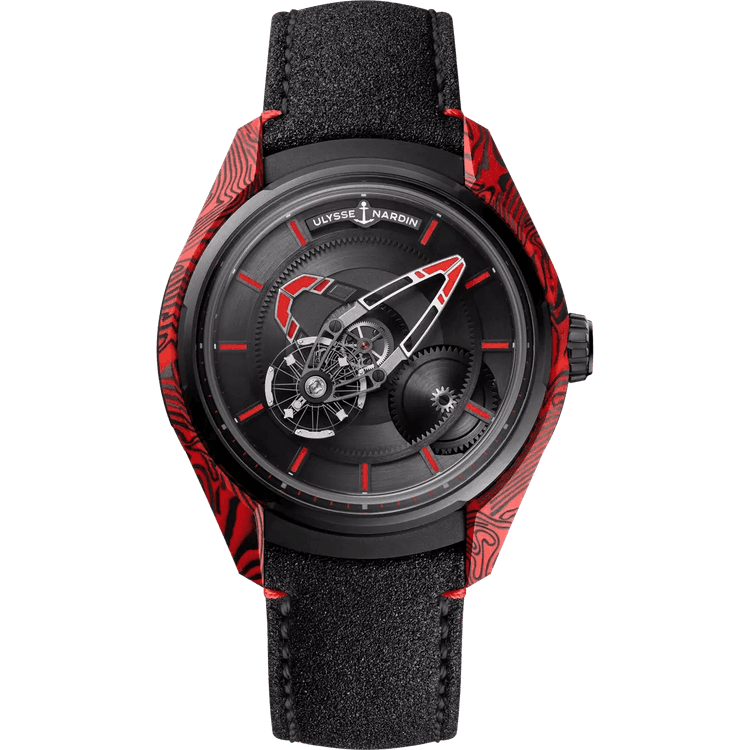
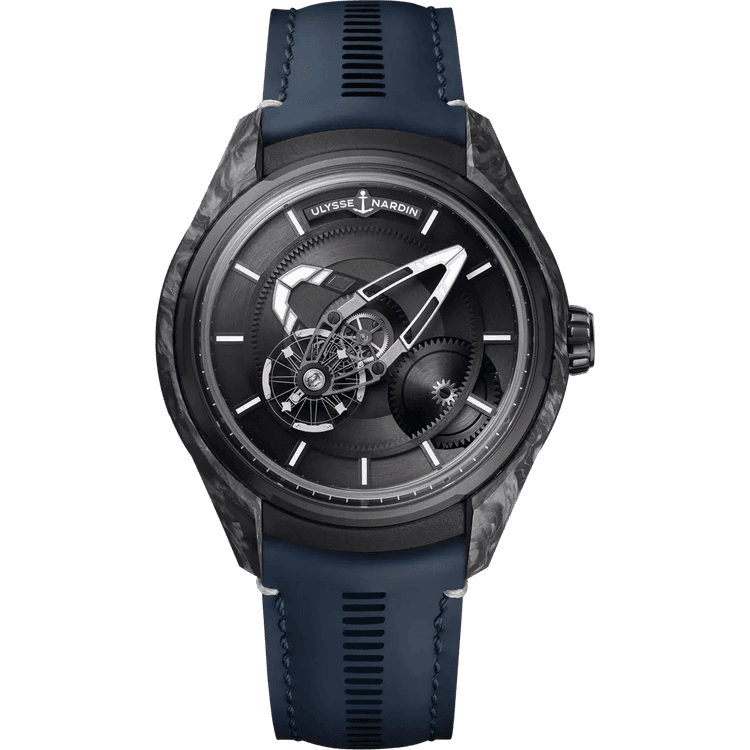
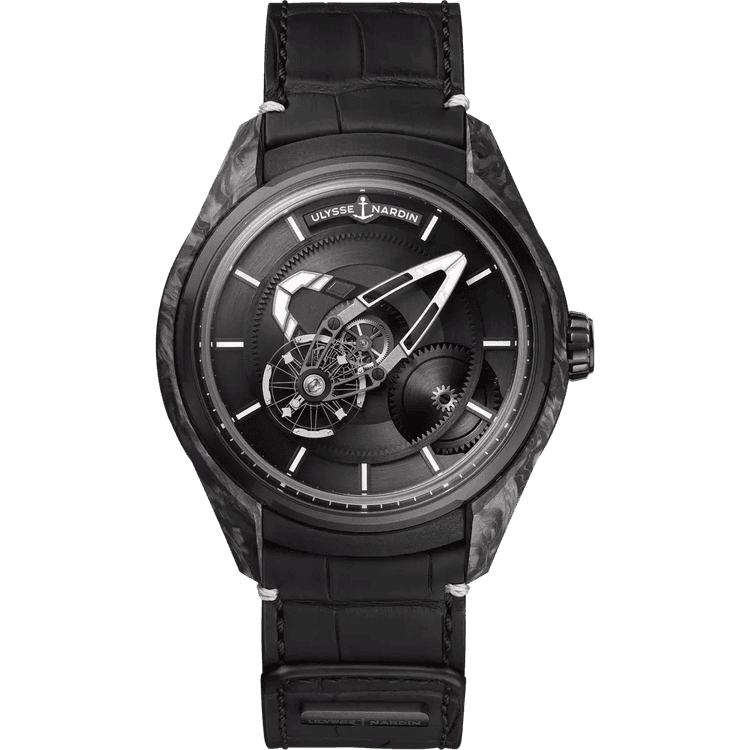
Ulysse Nardin uses Forged Carbon, where the carbon fibers are distributed more randomly within the resin. This creates a unique pattern on each case and emphasizes the sporty character of the model. The movements remain fully protected, and the lightweight case makes them comfortable for extended wear. The Executive Skeleton Tourbillon model in carbon demonstrates how sporty aesthetics combine with Swiss precision.
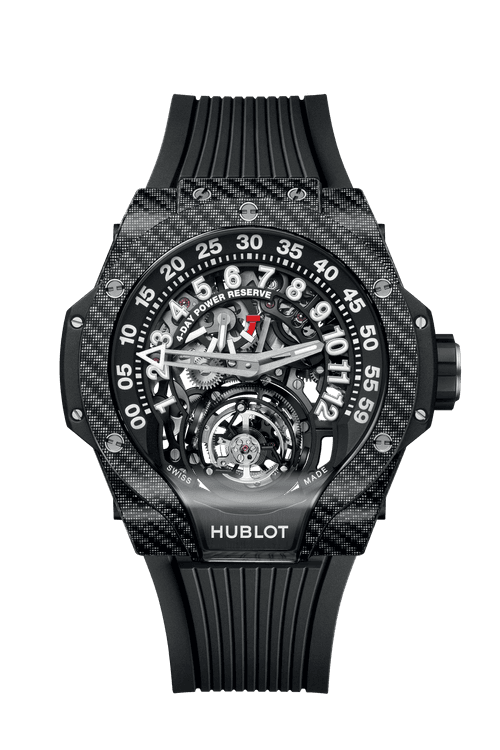
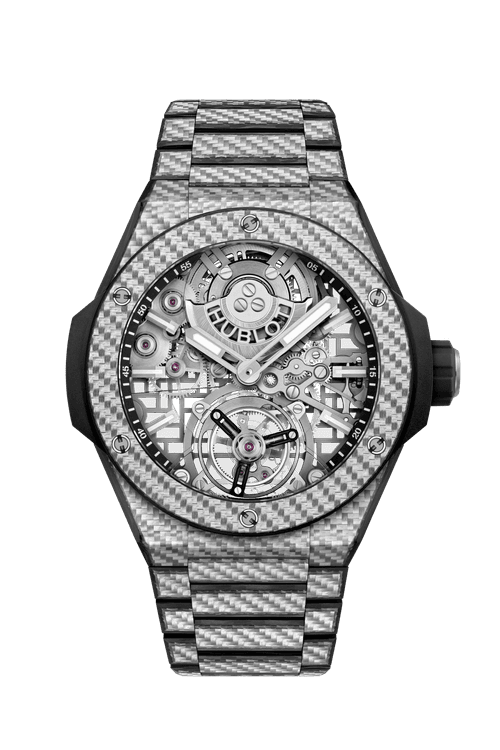
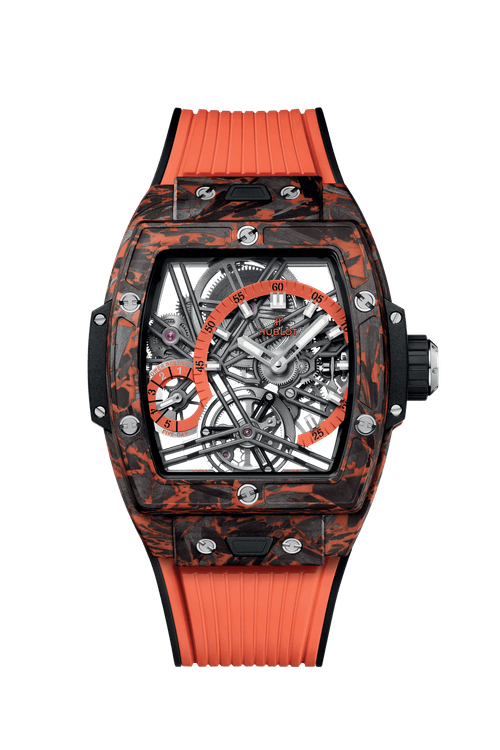
Interestingly, both brands emphasize more than just visual appeal. Carbon allows for a reduced case weight without sacrificing strength, which is critical for complex watches with tourbillons or chronographs. Collectors often note that these watches feel almost weightless when worn, yet the "technological" quality of the material enhances the premium feel.
There's also a caveat for beginners: at first glance, all carbon cases appear matte and identical. But a trained eye immediately discerns subtle differences between Carbon TPT and Forged Carbon—layers, patterns, and color depth. This is a small but important element when purchasing or collecting.
Richard Mille and Ulysse Nardin use carbon not just as a beautiful black case, but as an engineering tool—lightweight, durable, with a unique texture and the ability to create complex shapes. For collectors, it combines aesthetics, innovation, and a sense of Swiss precision.
Features of the feel and wearing of carbon watches
Wearing a carbon watch is an experience that immediately distinguishes them from steel or titanium models. At first glance, it might seem that "a watch is just a case and a strap." But carbon adds a subtle, almost weightless effect: the watch literally "merges" with the wrist.
The lightness of the case is especially noticeable on larger models. For example, the RM 11 or Ulysse Nardin Executive Skeleton Tourbillon with a carbon case are much more comfortable for everyday wear than their steel counterparts. You can wear the watch all day without wrist fatigue—the feeling of "weightlessness" can sometimes surprise novices.
The texture of the case also matters. Carbon is neither smooth like metal nor cold like ceramic. It feels warm and slightly rough to the touch, adding to the feeling of "technological material on the skin." Some collectors note that this type of case creates the feeling of a true engineering object, not just an accessory.
There is also a downside: carbon is less amenable to polishing. If the case gets scratched, it's more difficult to restore to perfect condition than steel. However, with careful everyday wear, this is almost unnoticeable—scratches on carbon are less noticeable than on polished metal, thanks to the structure of the material.
A tip for beginners: when choosing a carbon watch, try it on your wrist for at least a few hours. It's important to feel how the weight and texture affect comfort. We offer this opportunity at our store. Experienced users are more interested in appreciating the material's texture and the uniqueness of each model — even identical watches will never be identical.
Durability, Wear, and Care of Carbon Construction
Carbon watches appear light and delicate, but the material is actually incredibly durable. Carbon fibers interwoven with resin create a case that is much more resistant to impacts and deformation than regular steel. This is why sporty and complex models from Richard Mille and Ulysse Nardin use carbon to protect their tourbillons and chronographs.
It's important to understand a few nuances. First, carbon is not invulnerable. A strong impact, a fall onto a stone, or contact with sharp objects can leave scratches or microcracks. However, with everyday wear, the risk of damage is minimal—the material absorbs light impacts and friction well.
Second, carbon is sensitive to chemicals. Harsh detergents, acetone, or alcohol can damage the resin and alter the case's appearance. Therefore, it's best to clean with a soft cloth or brush slightly dampened with water. As a preventative measure, avoid direct contact with cosmetics, creams, and perfume.
Another practical point: carbon doesn't require regular polishing like steel. The slight roughness of the surface helps hide minor scratches, and the unique pattern of the material makes each case unique. As a result, the watches remain vibrant and aesthetically pleasing for many years.
Advice for collectors: Store carbon models separately from metal watches to avoid scratches, and periodically wipe the case with a soft cloth. This will preserve the unique look and noticeable "technological" quality of the material.
Carbon is both durable and demanding. It can withstand everyday wear and tear and sports challenges, but requires careful handling, avoiding harsh chemicals and strong impacts. For collectors, this means: minimal care for maximum aesthetics and durability.
The Impact of Carbon on Movement Performance and Accuracy
Many are surprised by how a case material can affect the accuracy of a movement. In fact, carbon has several interesting properties that make it particularly suitable for complex Swiss watches.
First, carbon is lightweight. The weight of the case directly affects the balance of a watch: heavy metal can create slight variations when worn, especially with complex chronographs or tourbillons. Lightweight carbon minimizes these variations, helping the movement perform more consistently and predictably.
Second, carbon doesn't conduct heat as well as metal. This means that the temperature inside the case fluctuates less when changing conditions—for example, when you move from a cold room to a sunny summer day. For complex movements, where even microscopic expansions of the metal can affect accuracy, this is a significant advantage.
Another point: carbon is corrosion-resistant. Metals sometimes react to sweat, water, or chemical elements, which can affect movement components, especially if the case is not sufficiently sealed. Carbon is virtually free of these problems—resin and fibers protect the internal components more reliably than metal during everyday wear.
A note for collectors: although carbon improves stability under normal conditions, it doesn't make the watch "invulnerable." Strong impacts, drops, or rough handling can still damage the movement. Therefore, caution is always important.
Carbon makes watches more comfortable and stable to wear. The lightweight case, low thermal conductivity, and corrosion resistance help the movement operate more accurately, especially in complex models with complications. This small engineering detail has a significant impact on the everyday feeling of quality and precision.
Carbon Watches as Collectibles
For collectors, carbon watches are more than just accessories; they're miniature engineering masterpieces. At first glance, the material may seem "technical," but it's precisely this that creates the uniqueness of each model.
The key feature: each case is unique. Even if you buy two identical Ulysse Nardin models, the pattern of the layers will never be repeated. This makes each pair of watches exclusive—almost like a miniature painting or sculpture.
It's interesting to note that the value of carbon models is growing particularly rapidly on the secondary market. Collectors seek a combination of lightness, technological sophistication, and visual uniqueness. Richard Mille, for example, is famous for its limited editions, where carbon is used not only for the case but also for bridges and dial elements, making the watch both a technical and artistic object.
A note for investors: carbon watches often require special storage. Unlike steel, they are less susceptible to corrosion, but are sensitive to direct chemical influences. It's best to store them in soft cases, avoiding contact with metal or abrasive surfaces.
Advice for collectors: When choosing a carbon fiber model, pay attention not only to the brand and complications, but also to the case texture. It defines the watch's character and brings the collection to life.
Who Should Wear Carbon Watches
Carbon watches are more than just a fashion accessory. They're perfect for those who value technology, comfort, and unique design. But there are some nuances that are important to understand before purchasing.
Beginners and Watch Enthusiasts: If you're just starting to collect watches, carbon can be a great entry point. Its lightness and comfort allow you to get used to the mechanics of complex models, and the unique case texture makes each model visually interesting.
Experienced Collectors: For those who appreciate rare materials and engineering solutions, carbon watches are a way to stand out. The uniqueness of each case and the limited editions of Richard Mille and Ulysse Nardin create collector's items, while the lightweight nature of the case allows complex movements with tourbillons or chronographs to be worn without fatigue.
Athletes and active individuals. Carbon cases are shock- and deformation-resistant, lightweight, and comfortable for everyday wear. This makes them an excellent choice for those who lead an active lifestyle but don't want to give up a premium mechanical watch.
Technical design enthusiasts. If the visual uniqueness and "technological" quality of a material are important to you, carbon immediately catches the eye. The visible layers of Carbon TPT or the chaotic texture of Forged Carbon create the feeling of an engineered object, not just an accessory.
Note: Carbon is not suitable for those looking for a completely smooth, polished metal or a cool sheen. Its aesthetic is more "warm," textured, and technological, rather than classic and mirror-like.
Carbon fiber watches are suitable for almost anyone who values comfort, technology, and unique design. The key is to understand the material's properties and how it feels on the wrist. For collectors, beginners, and active users, this is a truly universal choice.
Authenticity, Documentation, and Quality Confirmation
When it comes to Swiss carbon fiber watches, authenticity is key. Carbon fiber cases are difficult to counterfeit, but the secondary market is littered with copies and replicas that imitate the visual "technological" qualities of cheap materials.
The first step is checking the documentation. Genuine watches always come with a certificate of authenticity, a warranty card, and original packaging. This packaging indicates the serial number and model, which can be verified with the manufacturer. Even if the watch appears identical to the original, the absence of these documents is a red flag.
The second step is evaluating the case. Genuine carbon fiber watches have natural patterns and layers of carbon fiber with depth. On counterfeits, the carbon fiber often appears flat or monochromatic. Sometimes, simply examining the case in bright light is enough to see that the original sparkles with light, creating a vibrant texture, while a counterfeit case appears monotonous.
The third consideration is the movement. Genuine carbon fiber watches use premium Swiss movements. Checking the precision, smoothness, and presence of complications will help identify counterfeits. Many experienced collectors recommend having a certified watchmaker inspect the watch when buying on the secondary market.
Buying tip: Buy carbon watches from authorized dealers or through trusted channels. Don't skimp on expert assessments—an original is not only more expensive, but also guarantees durability, precision, and investment value. At Caesar Watches, you can always be assured of the authenticity and exceptional quality of any watch you purchase.
Frequently Asked Questions about Carbon Watches
Why is carbon better than titanium?
Carbon is lighter than titanium, yet highly durable and impact-resistant. It doesn't conduct heat, which stabilizes the movement, and each case is unique in its layer pattern. For collectors, this combines technology with visual exclusivity.
How to care for carbon?
The basic rule is to avoid harsh chemicals and sharp objects. Cleaning is best done with a soft cloth or brush slightly dampened with water. The material doesn't require polishing, and its unique texture helps hide minor scratches.
Which type of carbon should you choose: Carbon TPT or Forged Carbon?
If a precise layered structure and a "space-age" look are important, choose Carbon TPT from Richard Mille. If you prefer a chaotic, unique texture, choose Forged Carbon from Ulysse Nardin. Both options are strong, lightweight, and durable; the choice depends on aesthetics.
Richard Mille carbon fiber watches – what makes them special?
They combine lightness, strength, and technological design. Carbon TPT allows for the creation of unique layered cases, while complex mechanisms remain stable and precise. Each model is a miniature engineering masterpiece.
Ulysse Nardin carbon fiber watches – what makes them special?
Forged Carbon creates a chaotic texture that emphasizes the sporty character of the models. The case is lightweight, durable, and protects the complex mechanisms. Visually, each watch is unique.
Are these watches suitable for everyday wear?
Yes, their lightness and shock resistance make them comfortable for long-term wear. However, avoid contact with sharp objects and aggressive chemicals.
How to verify the authenticity of Swiss carbon fiber watches?
Look at the documents, serial number, packaging, and case quality. The original case has a characteristic texture and depth, and the mechanism operates smoothly and precisely. When in doubt, it's best to consult a certified watchmaker.
Are carbon fiber watches collectible?
Absolutely. Each case is unique, and limited editions from brands increase their value on the secondary market. They combine technology, visual individuality, and investment potential.
Can carbon fiber cases be repaired?
Yes, but polishing is limited. Minor scratches and abrasions can be minimized with carbon fiber-specific products, while deeper damage requires professional intervention.
Why do carbon fiber watches feel lighter than titanium ones?
The lightness of the material reduces wrist strain, minimizes case vibration, and makes complex mechanisms with a tourbillon or chronograph comfortable for everyday wear.
Carbon fiber Swiss watches are more than just a fashion accessory. They combine engineering precision, lightness, unique design, and collectible value. They offer a sense of technology and comfort that steel or ceramic cannot offer.
It's important to understand that carbon is a unique material. It requires careful care and attention to authenticity, but it also offers unique possibilities: each case is unique, the movements operate more reliably, and wearing them becomes light and pleasant. For beginners, this is an opportunity to appreciate premium mechanical watches without the weight, and for collectors, it's a unique piece with investment potential.
If you choose a watch with a carbon case, remember: the most important thing is the feel on the wrist, the texture of the material, and the pleasure of interacting with this engineering masterpiece. Swiss manufacturers have demonstrated that carbon is more than just a case, but a philosophy of modern watchmaking, where lightness, strength, and aesthetics merge into a single object.