
Ceramic watches
116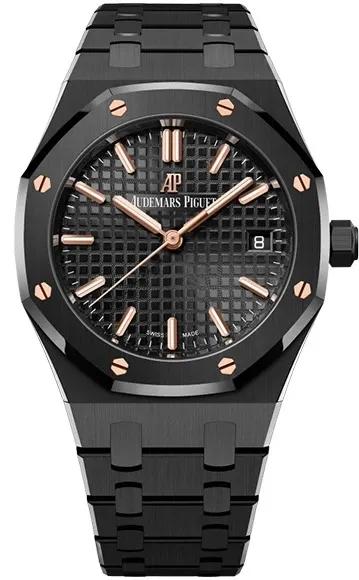



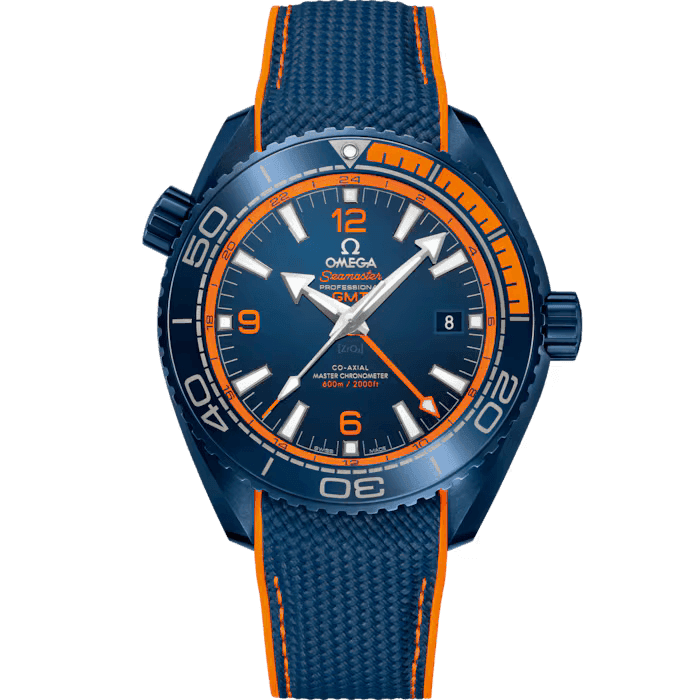
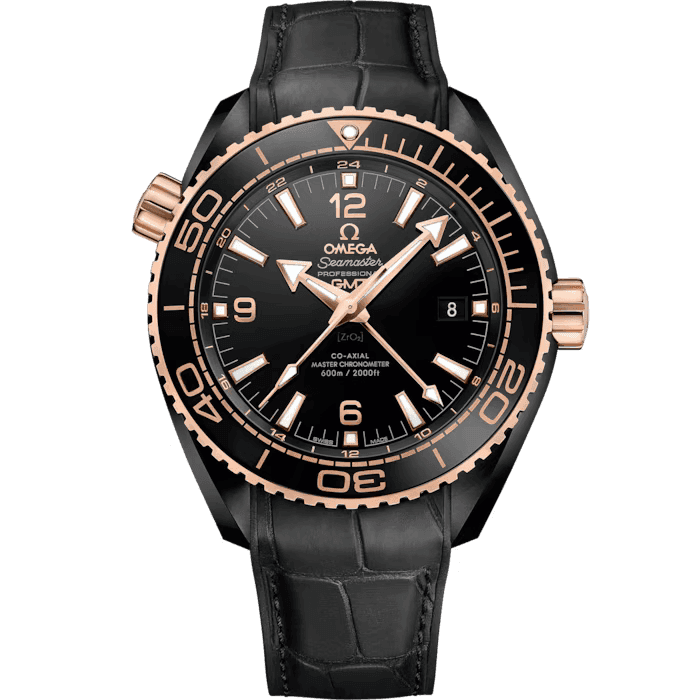
Ceramic Watches – Innovative Style with Swiss Precision
Ceramics in Swiss watches are more than just a fashionable material. At first glance, they may appear cold and minimalist, but in reality, they conceal an entire engineering philosophy: lightness, scratch resistance, and a unique visual effect. Ceramic cases allow brands like Breitling, Audemars Piguet, Omega, Richard Mille, and Hublot to create watches that remain fresh and vibrant on the wrist even after years of wear.
A question often asked is, "Why has ceramic become so popular among premium models?" The answer lies in the combination of aesthetics and practicality. The material is corrosion-resistant, virtually scratch-resistant, and allows for complex case shapes that are difficult to replicate with metal. For collectors, ceramics are more than just an accessory – they are small technological masterpieces where design and engineering go hand in hand.
If you're new to ceramic watches, be prepared to be surprised: wearing a ceramic watch feels different from wearing a steel or titanium watch. Experienced users will appreciate how the material affects the weight, comfort, and durability of the watch. We'll explore everything you need to know about Swiss ceramic watches—from the characteristics of the material to practical care and collecting tips.
What is ceramic and why is it used in Swiss watches
Ceramic in watches is a high-tech material that's very different from the ceramics we're used to seeing. It's actually a synthetic oxide ceramic that's been sintered at high temperatures. The result is a material that's extremely hard, lightweight, corrosion-resistant, and almost completely scratch-resistant.
At first glance, ceramic cases may appear "cold" and minimalist, but upon closer inspection, you'll see that each model has a unique visual character. For example, Audemars Piguet and Omega have a matte, deep case surface, creating the impression of a "living" volume, while Hublot and Richard Mille ceramic can be polished, almost mirror-like, emphasizing the technological design.
Why do Swiss brands so actively use ceramic? First and foremost, it's practicality. Ceramic watches are lightweight, comfortable for everyday wear, and resistant to sweat, water, and chemicals. For complex models with chronographs or tourbillons, case lightness is critical: it reduces strain on the wrist and minimizes the impact of mass on the movement's precision.
There's also a caveat for beginners: ceramic is fragile when subjected to strong impact. Although it's virtually scratch-resistant, dropping it on a hard surface can cause a chip. For collectors, this means ceramic watches are best worn with care, but with careful handling, they will retain their pristine appearance for decades.
Differences between ceramic and other materials: steel, titanium, and carbon
When it comes to watch cases, ceramic is often compared to traditional metals and carbon. At first glance, the differences seem simple—color, weight, luster. In reality, each material creates a completely different feel and character of the watch.
Steel is a classic. Durable, easy to polish, but quite heavy. On larger models, it noticeably weighs on the wrist, especially if the watch is equipped with a chronograph or tourbillon.
Titanium is a lighter, hypoallergenic metal. It is more comfortable than steel, cool to the touch, and has a slightly "technical" aesthetic. However, titanium is still susceptible to scratches, and the texture is not unique—all cases look quite similar.
Carbon is a lightweight and technologically advanced material, visually expressive thanks to its layered structure. It absorbs shock better than metal and creates the feeling of an engineered object on the wrist. However, carbon can be sensitive to chemicals, and its texture is always warm and rough.
Ceramic occupies a special place. It is very hard and virtually scratch-resistant, resistant to corrosion and chemicals, lightweight, and pleasant to the touch. Ceramic cases can be either matte or polished, creating different visual effects. The only caveat is that ceramic is fragile under strong impact, so care is essential.
In practice, the wrist feels different: steel has a classic, weighty feel, titanium has a technical, lightweight feel, carbon has a technological, dynamic feel, and ceramic has a comfort, durability, and aesthetic appeal. For those who value a unique appearance and durability, ceramic is a favorite.
Ceramics combine lightness, wear resistance, and aesthetic uniqueness. It differs from steel, titanium, and carbon in its visual and tactile effect, making watches comfortable for everyday wear and attractive to collectors.
Durability, Wear, and Care of Ceramics
Ceramic watches are a unique material: hard, lightweight, and scratch-resistant. At first glance, it seems indestructible, but it's important to understand the nuances.
Durability: Ceramic is highly resistant to everyday influences—friction, sweat, moisture, and chemicals. Polishing is virtually unnecessary, and scratches are almost invisible. Therefore, even after several years of wear, the case looks almost like new.
Fragility: Ceramic can chip if subjected to a strong impact or dropped on a hard surface. This is the main difference from steel and carbon. For collectors and lovers of premium models, an important point is to wear ceramic watches with care, especially large or complex models, such as those with a tourbillon or chronograph.
Care: Easy cleaning with a soft cloth or brush and water, no harsh chemicals. Avoid using abrasive cleaners or acetone, as they can damage the surface. Store the watch separately from metal and carbon models to avoid accidental scratches.
A practical tip: many collectors note that ceramic barely heats up in the sun and feels pleasant against the skin—not cold like metal, but not warm like carbon. The lightweight case makes the watch comfortable for everyday wear, and the polished surface creates a high-tech, glossy aesthetic.
Features of the feel and wearing of ceramic watches
Wearing a ceramic watch is a different experience from the usual steel, titanium, or carbon models. At first glance, they seem cold and "hard," but in reality, ceramic creates a unique sensation on the wrist.
Lightness and Comfort. Ceramic is significantly lighter than steel and even titanium. For example, large Audemars Piguet Royal Oak Offshore or Omega Seamaster models with ceramic cases are barely noticeable on the wrist, despite their size and the complexity of the mechanism. This is especially noticeable with prolonged wear—your hand doesn't tire, and the feeling of "technological weight" is maintained.
Temperature Sensation. Ceramic is not as cold as metal and doesn't heat up excessively in the sun. Richard Mille and Hublot emphasize this in their sports models: the case remains comfortable during active wear, even if you spend the day outdoors or engaged in sports activities.
Aesthetics and Visual Uniqueness. Matte or polished ceramic creates a sense of depth in the case. Polished Hublot models have an almost mirror-like appearance, while matte Richard Mille and Audemars Piguet models have a more subdued, yet expressive, volume. This influences the perception of the watch and makes it visually interesting even during everyday wear.
Ceramic is fragile when dropped. Although it is virtually scratch-resistant, a strong impact on a hard surface can damage the case. Therefore, it is important to consider where and how you wear your watch, especially if it is a sports or large model.
Frequently Asked Questions about Ceramic Watches
Why is ceramic used in Swiss watches?
Ceramic is a hard, lightweight, and wear-resistant material. It is virtually scratch-resistant, corrosion-resistant, and allows for complex case shapes. This makes it ideal for premium models from Breitling, Audemars Piguet, Omega, Richard Mille, and Hublot.
Are ceramic watches better than steel or titanium?
For everyday wear, ceramic wins due to its lightness and scratch resistance. Steel is heavier and requires polishing, while titanium is lighter but scratches more noticeably. Ceramic combines aesthetics, comfort, and durability, although it can chip under strong impact.
How to care for a ceramic watch?
Cleaning is very simple: use a soft cloth or brush with water. Avoid harsh chemicals, acetone, and abrasives. Ceramic is virtually scratch-resistant, so polishing is usually not required.
Are ceramic watches suitable for everyday wear?
Yes. They are lightweight, comfortable, and resistant to sweat and moisture. Matte ceramic feels comfortable on the skin, while polished ceramic adds a glossy finish. The key is to handle it carefully, especially with an active lifestyle.
What makes Richard Mille and Hublot ceramic watches unique?
Richard Mille uses ceramic to create sophisticated, voluminous cases with complex structures. Hublot combines ceramic with polished surfaces, creating a mirror-like shine. Both brands create unique and visually expressive cases.
Can a ceramic case be repaired?
Yes, but the process is more complicated than with metal. Minor abrasions are almost invisible, while deep chips require professional intervention.
Are watches with ceramic cases collectible?
Absolutely. They retain their appearance for decades, are lightweight and unique, and limited editions increase collector appeal and investment value.
Are there any nuances to wearing in hot weather or in the sun?
Ceramics don't heat up as much as metal and don't feel like "cold metal." They are comfortable even when worn for long periods in the sun.
Ceramic or Carbon—Which Should You Choose?
Ceramic is more scratch-resistant, while carbon is lighter and more tactile. The choice depends on preference: visual texture and durability versus technology and tactile appeal.
Ceramic watches offer a unique combination of lightness, strength, and visual individuality. They are not only durable but also create a unique feel on the wrist: comfort, technology, and an aesthetic that is difficult to replicate with metal or carbon.
It's important to understand the nuances of the material. Ceramic is virtually scratch-resistant and resistant to moisture and chemicals, but it can be fragile under strong impact. For everyday wear, this means comfort and minimal maintenance, and for collectors, it means preserving its original appearance for decades.
When choosing a ceramic watch, whether it's Breitling, Audemars Piguet, Omega, Richard Mille, or Hublot, pay attention to the case texture, surface treatment, and wrist comfort. These details define not only the visual style but also the feeling of quality, which is important to appreciate every day.